


- 14515 views

When you start out as a lash artist, one of the first questions is: "Who invented eyelash extensions?" Sources often disagree, but these are the key moments most lash historians point to.
1916: lashes on the film set
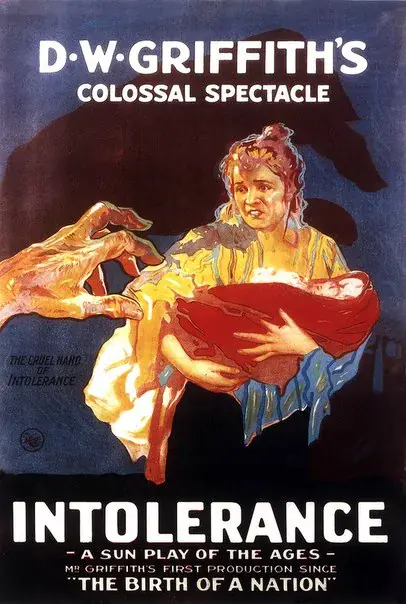
The first recorded false lashes date from 1916. American film director D.W. Griffith wanted the lead actress of his film Intolerance to have lashes that would stand out on screen. A wig maker made them from human hair and glued them to her eyelids. Griffith never patented the idea, so others soon copied it.
1920s: Max Factor and Hollywood
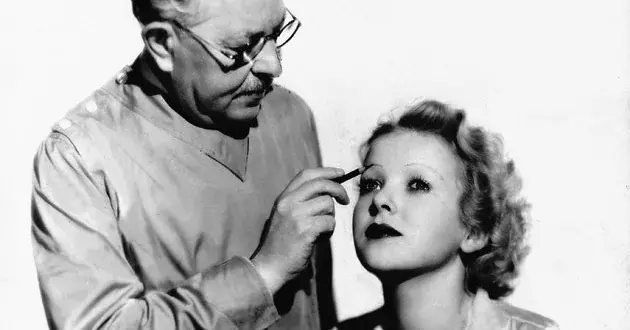
Make-up artist Max Factor (born Maksymilian Faktorowicz in Poland) made false lashes popular in Hollywood. He is credited with creating lashes for actress Phyllis Haver in the 1927 film Chicago. Silent cinema needed expressive eyes, and audiences soon wanted the same long, dramatic lashes.
1950s–1960s: strip lashes go mainstream
Strip lashes reached the shops and moved from cinema into everyday make-up. Materials and glues improved, and in the 1960s dramatic lashes became a defining look of the decade.
Early 2000s: the individual 1:1 technique
The classic 1:1 technique, where one extension is bonded to one natural lash, developed in Asia, particularly Japan and Korea, at the start of the 21st century. The first sets often used natural mink hair, and celebrity clients made the service famous. Over time, mink was replaced by synthetic fibres such as PBT, which are more hygienic, consistent and affordable. Read natural mink vs silk vs PBT lashes.

2010s: Russian volume and beyond
Russian volume, with handmade fans of very fine lashes, spread from Eastern Europe across the world. It was followed by premade fans, mega volume, hybrid sets and the wet look.
Today: a global industry
Eyelash extensions are now a worldwide service with techniques for every client: classic, volume, hybrid, YY and W lashes and laser-cut Spire & Wings lashes.
Conclusion
Every lash artist is part of this history. Each new technique builds on the work of the people who came before, and the industry keeps evolving with better materials and safer methods.