
- Language:
- acc6 Account

- New
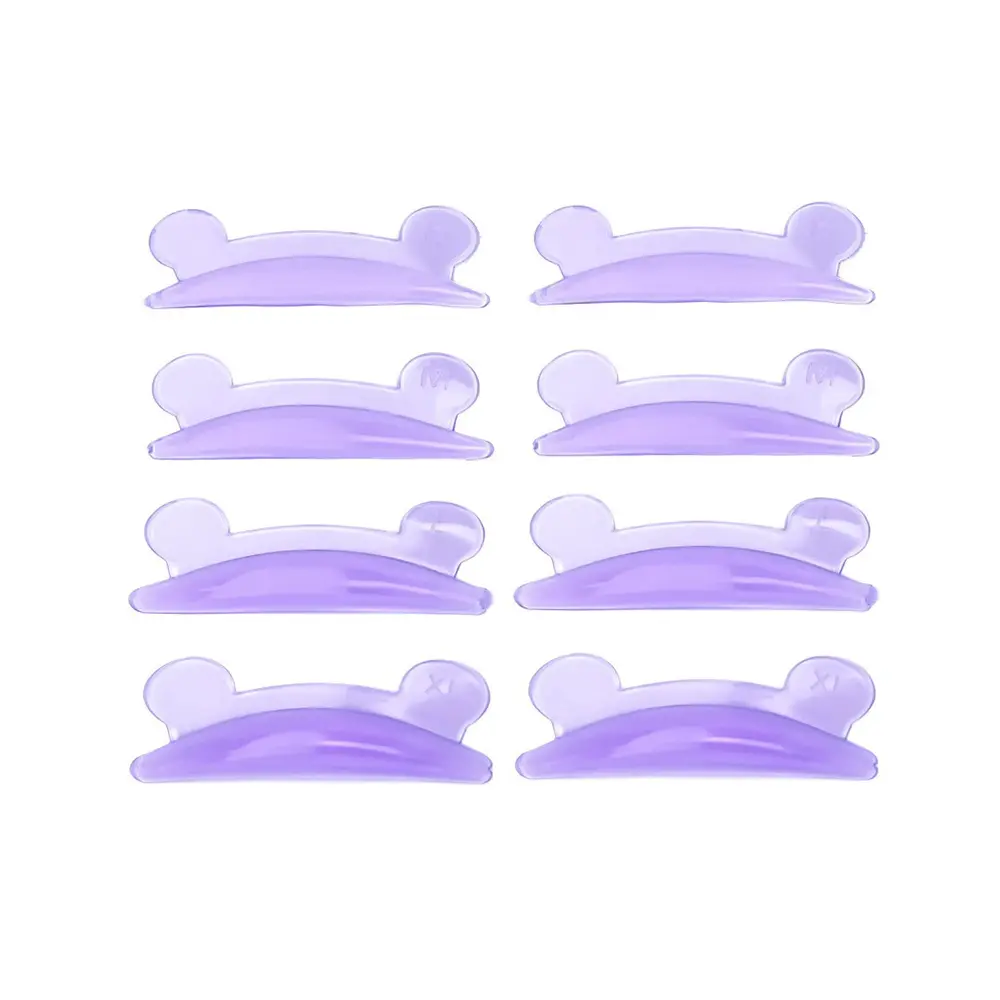
VEKI Self-Adhesive Bear Pads for Eyelash Lifting
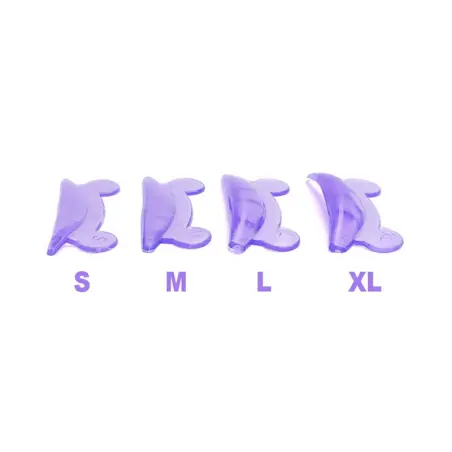
Self-adhesive silicone shields: they adhere to the eyelid without glue or lifting balm. 4 pairs in sizes S, M, L, and XL; reusable, with a case.
Glue-free lash lift on the eyelid
These bear pads are self-adhesive silicone molds: they hold to the eyelid by the tack of the material itself, with no need to apply glue or lifting balm on the skin. This is the system used by the Korean glueless lash lift method, known as Korean Glueless Lash Lift.
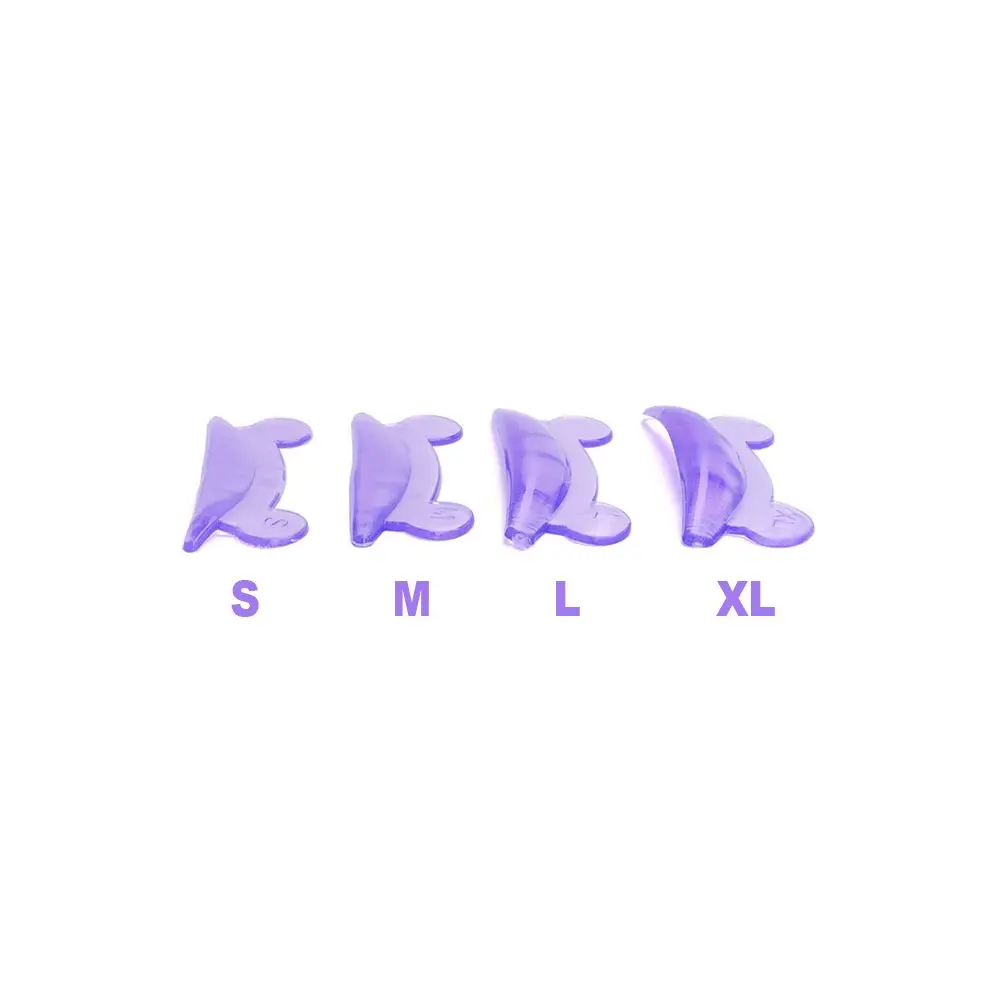
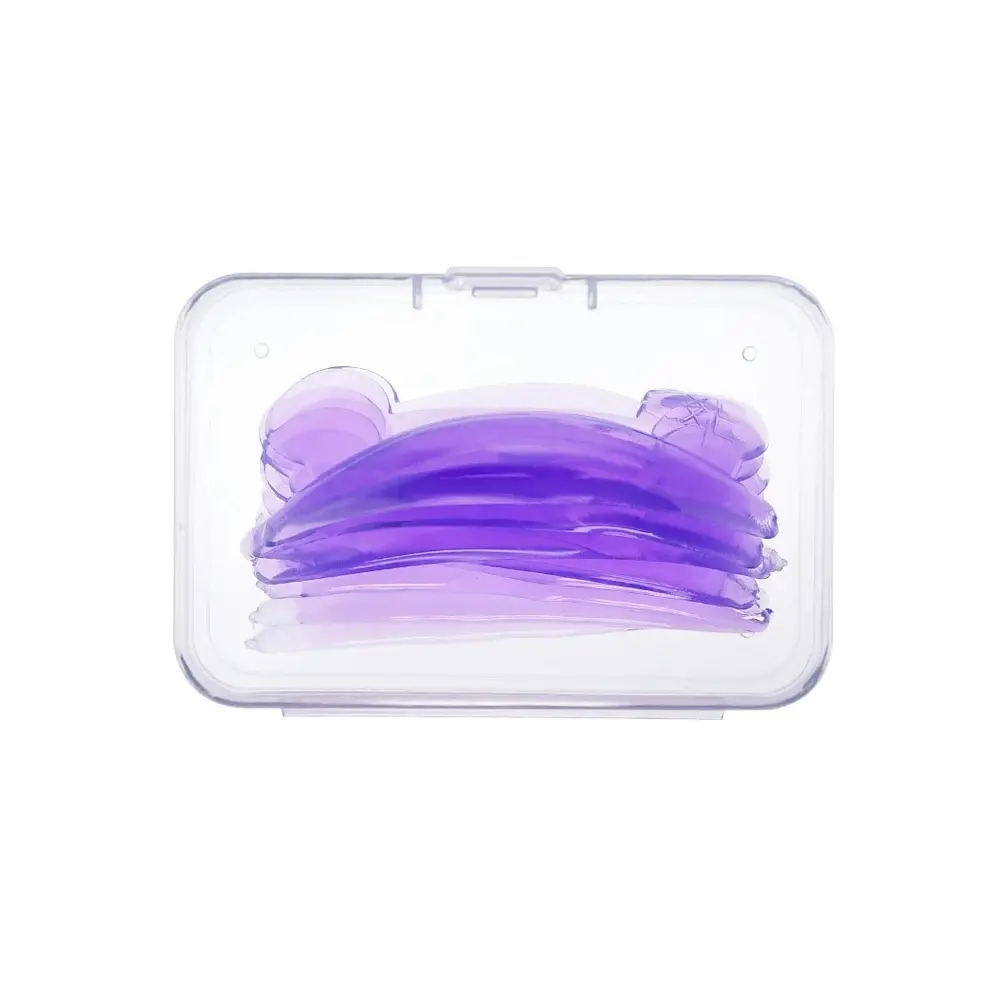
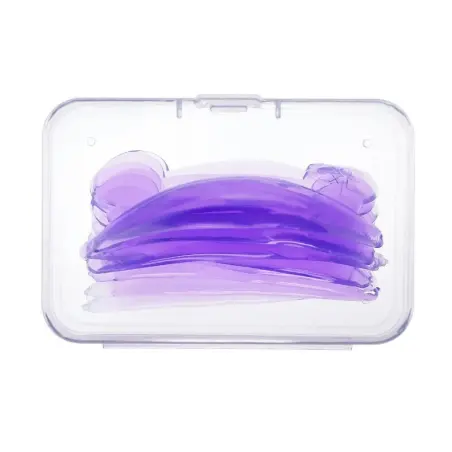
They come as 4 pairs in sizes S, M, L, and XL inside a clear hard case, and are reusable after cleaning and disinfection.
Pads, rods, or shields: they’re all the same thing
This accessory goes by several names depending on the school and country, and it’s useful to know so you don’t buy the same thing twice:
- Bear pads or bear pad, named for the bear-ear shape at the ends.
- Rods or silicone rods, a term borrowed from hairdressing, where the rod is the curler the hair is wrapped around for a perm. Here it serves the same function for the lash.
- Shields or lash lift shields, the English name, common in international training.
- Molds or lifting molds, the most widespread term in Spain.
- Silicone pads or curling pads.
If you come from hair perming, the rod analogy applies: the mold defines the curve and the product sets that shape. The difference here is that the mold also has to adhere to the eyelid, which is what the self-adhesive system solves.
What changes when the mold doesn’t need glue
- You remove a step from the protocol: no waiting for the balm to tack up before placing the mold.
- You can reposition the pad if the placement doesn’t convince you, without having to clean residue and start over.
- No balm remains on the eyelid, so removal at the end of the service is cleaner.
- The lotion is applied from the root without dragging glue toward the lash base.
- You reduce the risk of tugging on removal, because there’s no adhesive stuck to the skin.
The pad still needs lifting adhesive to secure the lashes onto the mold. What’s eliminated is the glue between the mold and the eyelid, not the adhesive that holds the hair.
Why they’re bear-shaped
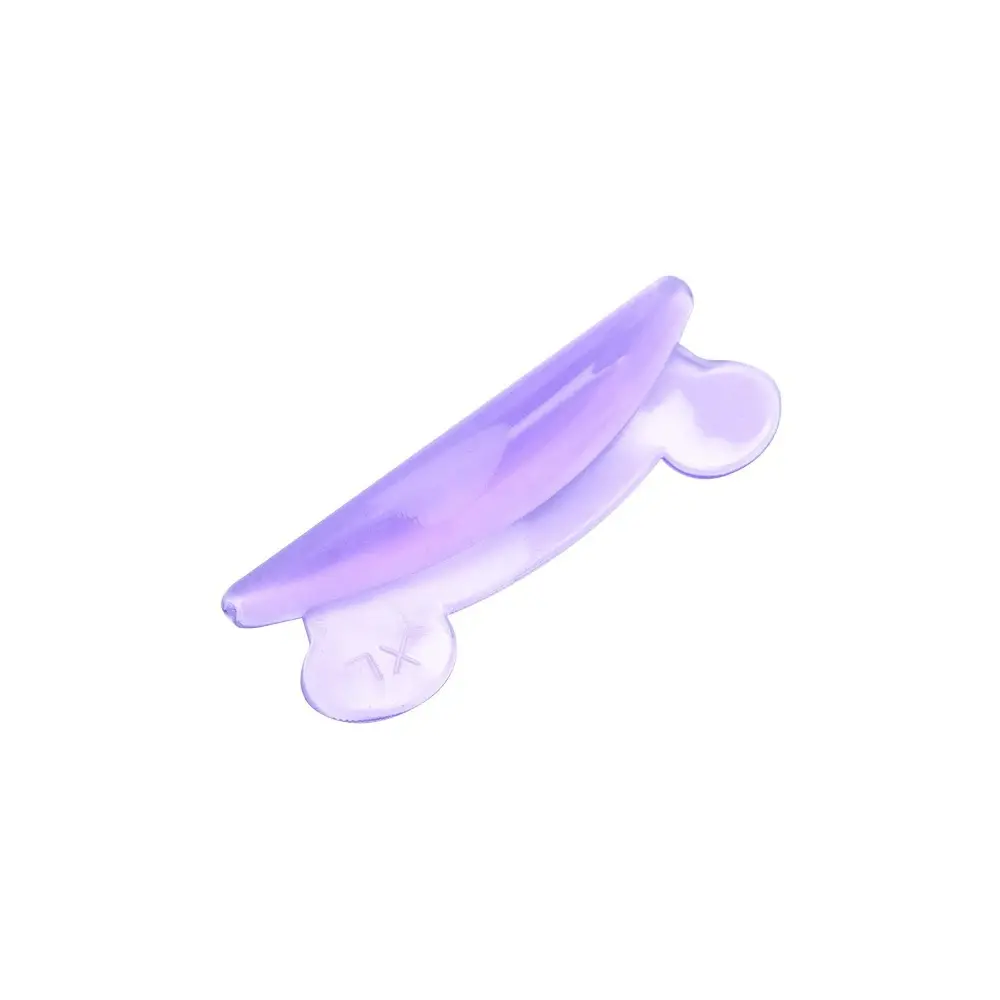
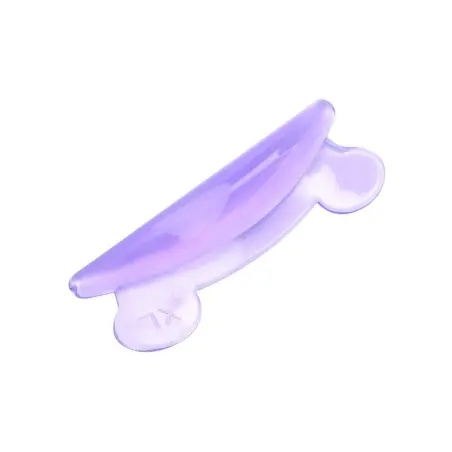
The two rounded tabs at the ends—the features that give the product its name—aren’t decorative. They act as grip points for placing and removing the mold with tweezers without touching the area where the lashes rest, and as a visual reference to center the pad relative to the inner corner and the outer corner.
The curved body is what defines the curl shape. The silicone is soft and elastic, so it conforms to the eyelid’s contour instead of forcing it.
The four sizes and what each one does
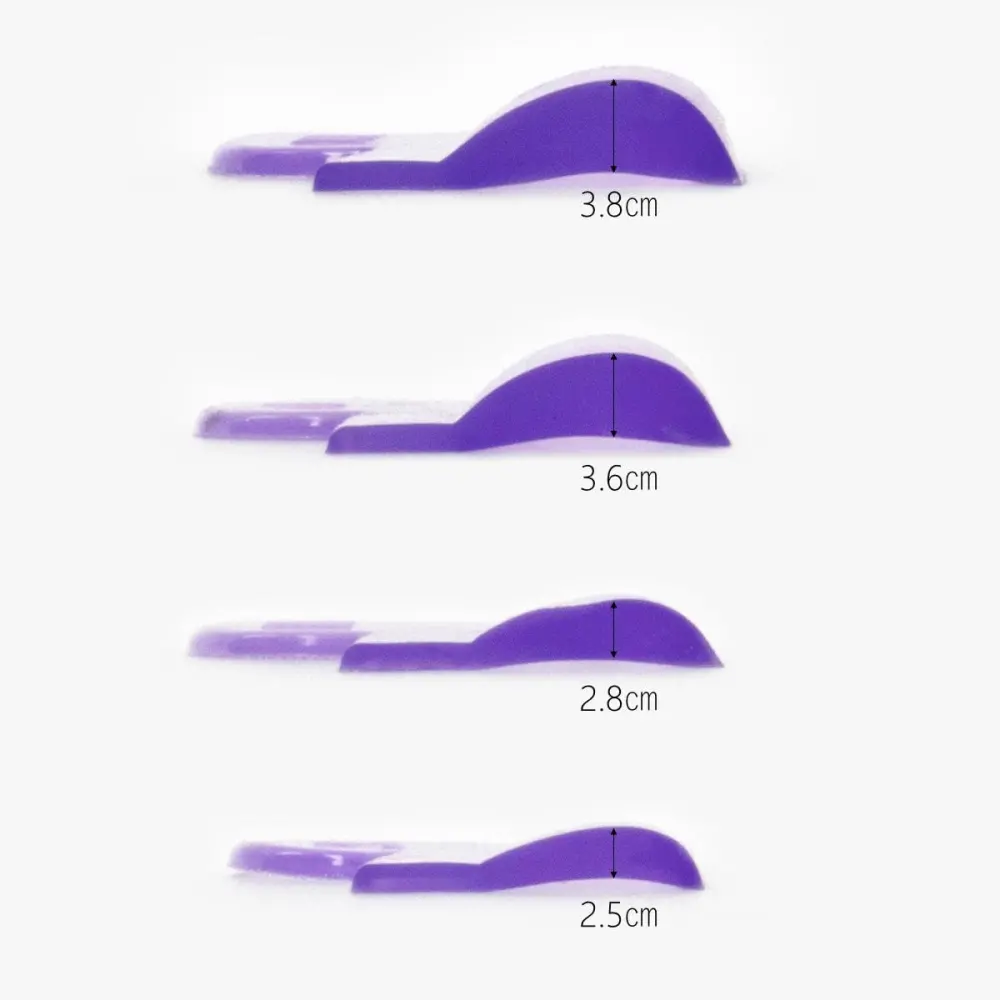
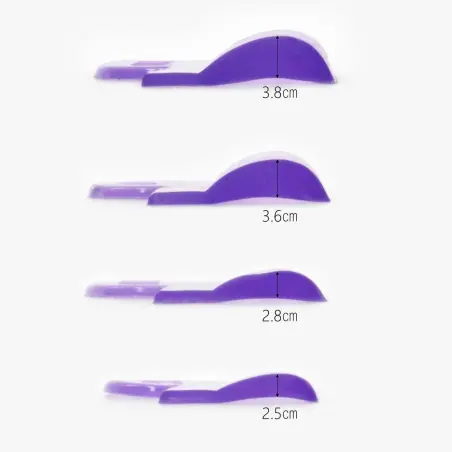
- S: the smallest and with the tightest curvature. For short lashes and small eyes, it gives the most defined curl.
- M: the most frequently used size. Balanced effect on medium-length lashes.
- L: a taller mold with a more open curve. Eyeliner-style lift on long lashes.
- XL: the most open. For very long lashes where a smaller size would over-curl the tips.
The smaller the mold, the tighter the curl. The larger, the more open and the more upward-stretching effect. Choose size by lash length and eyelid shape, not by eye size.
How to apply
- Clean and degrease the eyelid. On skin with cream or makeup residue, adhesion will fail.
- Dry thoroughly. Self-adhesive silicone won’t grip on damp skin.
- Choose the size by measuring the natural lash and observing the eyelid shape.
- Place the pad directly onto the eyelid, as close as possible to the lash line.
- Fix the lashes onto the mold with your usual lifting adhesive.
- Continue with your lotion, neutralizer, and nourishment protocol.
Cleaning, disinfection, and reuse
They are for professional use and go directly on the client’s eyelid skin, so disinfection between services isn’t optional.
- Remove adhesive and lotion residue with lukewarm water and mild soap right after the service.
- Disinfect with the product you use for non-disposable tools in the treatment room, respecting the contact time indicated by the manufacturer.
- Dry completely before storing them in the case.
- Avoid alcohol as a routine: it dries out the silicone and speeds up the loss of tack.
- Store them separated and without pressure, so they don’t deform.
Who it’s for
- Professionals who perform lash lifting or lamination and want to streamline the protocol.
- Those doing the Korean glueless method who need compatible molds.
- Treatment rooms working with hooded lids or monolids, where balm tends to shift.
- Anyone who wants a full set of sizes to always have the right option for each client.
- Educators who need clean, quickly repositionable materials during a demonstration.
Who it’s not for
- Those looking for single-use disposable pads.
- Those who work exclusively with lifting balm and don’t want to change their protocol: they’ll also work here, but you’re paying for a feature you won’t use.
- Those expecting the tack to last forever: it’s a property of silicone that degrades with washing and disinfection, as with any self-adhesive pad on the market.
- Those who need molds for brow lamination: these are designed for the eyelid’s curvature.
- Home use without training: lifting is a chemical treatment around the eye and requires a professional protocol.
Contents
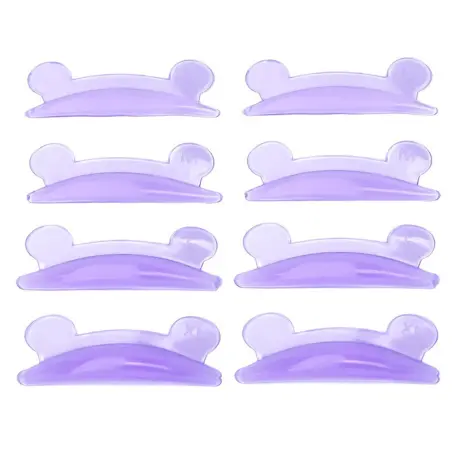
- 4 pairs of bear pads, 8 pieces in total.
- Sizes S, M, L, and XL, one pair of each.
- Clear hard case with closure.
Frequently asked questions
Does self-adhesive mean I don’t need glue?
It means you don’t need glue or lifting balm to attach the mold to the eyelid. You still need lifting adhesive to stick the lashes onto the mold.
How long does the adhesion last?
They’re reusable, but the self-adhesive capability decreases with use and especially with harsh disinfectants. By washing with mild soap and routinely avoiding alcohol, they last for many more services.
Which size should I choose?
Measure the natural lash and look at the eyelid. Short lash or a droopy/hooded eyelid: choose a smaller size. Long lash: choose a larger size, because a smaller one would over-curl the tip and reduce the opening effect.
Are they suitable for brow lamination?
No. Their curvature is designed for the eyelid and lash line.
Can they be used with any brand of lotion?
Yes. The mold is a tool and doesn’t interfere with the chemistry of the treatment. Always follow your lifting brand’s protocol and timings.
They don’t stick well—what should I do?
It’s almost always a matter of prep. Self-adhesive silicone won’t grip on oily, creamy, or damp skin. Clean, degrease, and dry the eyelid before placing the pad.
Specific References
- UPC
- 840871858047
- EAN13
- 8400550423281